
Contents
Overview
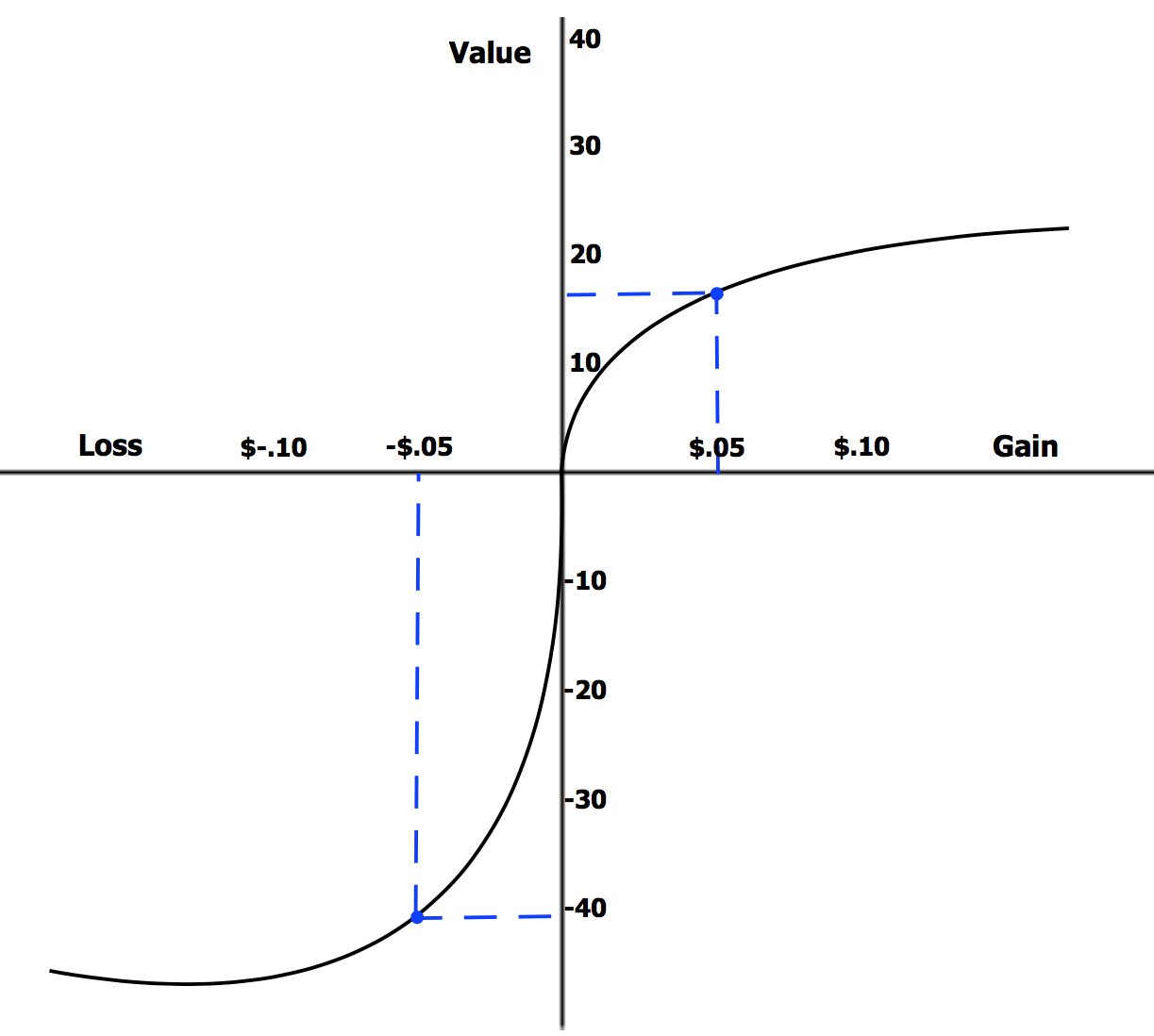
The concept of perceived vs actual value differences is rooted in the cognitive bias of loss aversion, which suggests that individuals tend to prefer avoiding losses to acquiring equivalent gains. This phenomenon was first introduced by Amos Tversky and Daniel Kahneman as part of their prospect theory, which challenged the traditional assumptions of rational choice theory. According to cumulative prospect theory, the perceived value of a loss is often twice as large as the perceived value of an equivalent gain, leading to risk-averse behavior in the face of potential losses. For instance, the fear of losing money can be a more powerful motivator than the prospect of gaining an equivalent amount, as seen in the investment strategies of Warren Buffett and Charlie Munger.
💡 The Psychology of Perceived Value
The psychology of perceived value is complex and influenced by various factors, including framing effects, anchoring, and the availability heuristic. As noted by Daniel Kahneman, the way information is presented can significantly impact our perception of value, with losses framed as more significant than equivalent gains. This bias can lead to suboptimal decision-making, as individuals may overemphasize the potential downsides of a decision and underestimate the potential benefits. For example, the launch of Uber and Airbnb disrupted traditional industries by leveraging the sharing economy and redefining perceived value, as discussed by Travis Kalanick and Brian Chesky.
📊 Measuring Actual Value
Measuring actual value is a crucial aspect of understanding perceived vs actual value differences. In many cases, actual value can be quantified using objective metrics, such as financial returns or performance metrics. However, perceived value is often subjective and influenced by personal preferences, emotions, and biases. As noted by Richard Thaler, the founder of nudge theory, understanding these differences is essential for developing effective strategies to influence behavior and decision-making. For instance, the success of Spotify and Netflix can be attributed to their ability to provide personalized recommendations, leveraging machine learning and data science to create a perceived value that exceeds the actual cost.
👥 Implications for Decision-Making
The implications of perceived vs actual value differences are far-reaching, with significant consequences for decision-making in various fields. In finance, understanding these differences can help investors make more informed decisions, avoiding the pitfalls of loss aversion and framing effects. In marketing, companies can leverage the psychology of perceived value to develop effective pricing strategies and product positioning, as seen in the marketing campaigns of Apple and Tesla. In personal development, recognizing the differences between perceived and actual value can help individuals set more realistic goals and develop more effective strategies for achieving success, as discussed by Tim Ferriss and Gary Vaynerchuk.
Key Facts
- Year
- 1979
- Origin
- Cognitive science and behavioral economics
- Category
- psychology
- Type
- concept
Frequently Asked Questions
What is loss aversion?
Loss aversion is a cognitive bias where individuals tend to prefer avoiding losses to acquiring equivalent gains, as discussed by Daniel Kahneman and Amos Tversky. This bias can lead to suboptimal decision-making, as individuals may overemphasize the potential downsides of a decision and underestimate the potential benefits. For example, the fear of losing money can be a more powerful motivator than the prospect of gaining an equivalent amount, as seen in the investment strategies of Warren Buffett and Charlie Munger.
How does framing affect perceived value?
Framing effects can significantly impact perceived value, with losses framed as more significant than equivalent gains. This bias can lead to suboptimal decision-making, as individuals may overemphasize the potential downsides of a decision and underestimate the potential benefits. For instance, the launch of Uber and Airbnb disrupted traditional industries by leveraging the sharing economy and redefining perceived value, as discussed by Travis Kalanick and Brian Chesky.
What are the implications of perceived vs actual value differences?
The implications of perceived vs actual value differences are far-reaching, with significant consequences for decision-making in various fields. In finance, understanding these differences can help investors make more informed decisions, avoiding the pitfalls of loss aversion and framing effects. In marketing, companies can leverage the psychology of perceived value to develop effective pricing strategies and product positioning, as seen in the marketing campaigns of Apple and Tesla. In personal development, recognizing the differences between perceived and actual value can help individuals set more realistic goals and develop more effective strategies for achieving success, as discussed by Tim Ferriss and Gary Vaynerchuk.
How can individuals overcome loss aversion?
Individuals can overcome loss aversion by recognizing the bias and taking steps to mitigate its impact. This can involve seeking out diverse perspectives, considering alternative scenarios, and focusing on the potential benefits of a decision rather than the potential losses. Additionally, individuals can use strategies such as mental accounting and nudge theory to influence their decision-making and reduce the impact of loss aversion, as discussed by Richard Thaler and Daniel Kahneman.
What is the relationship between perceived value and actual value?
Perceived value and actual value are related but distinct concepts. Perceived value refers to the subjective value that an individual assigns to a particular outcome or decision, while actual value refers to the objective value of that outcome or decision. Understanding the differences between perceived and actual value is essential for making informed decisions and avoiding the pitfalls of cognitive biases such as loss aversion, as discussed by Amos Tversky and Daniel Kahneman.